
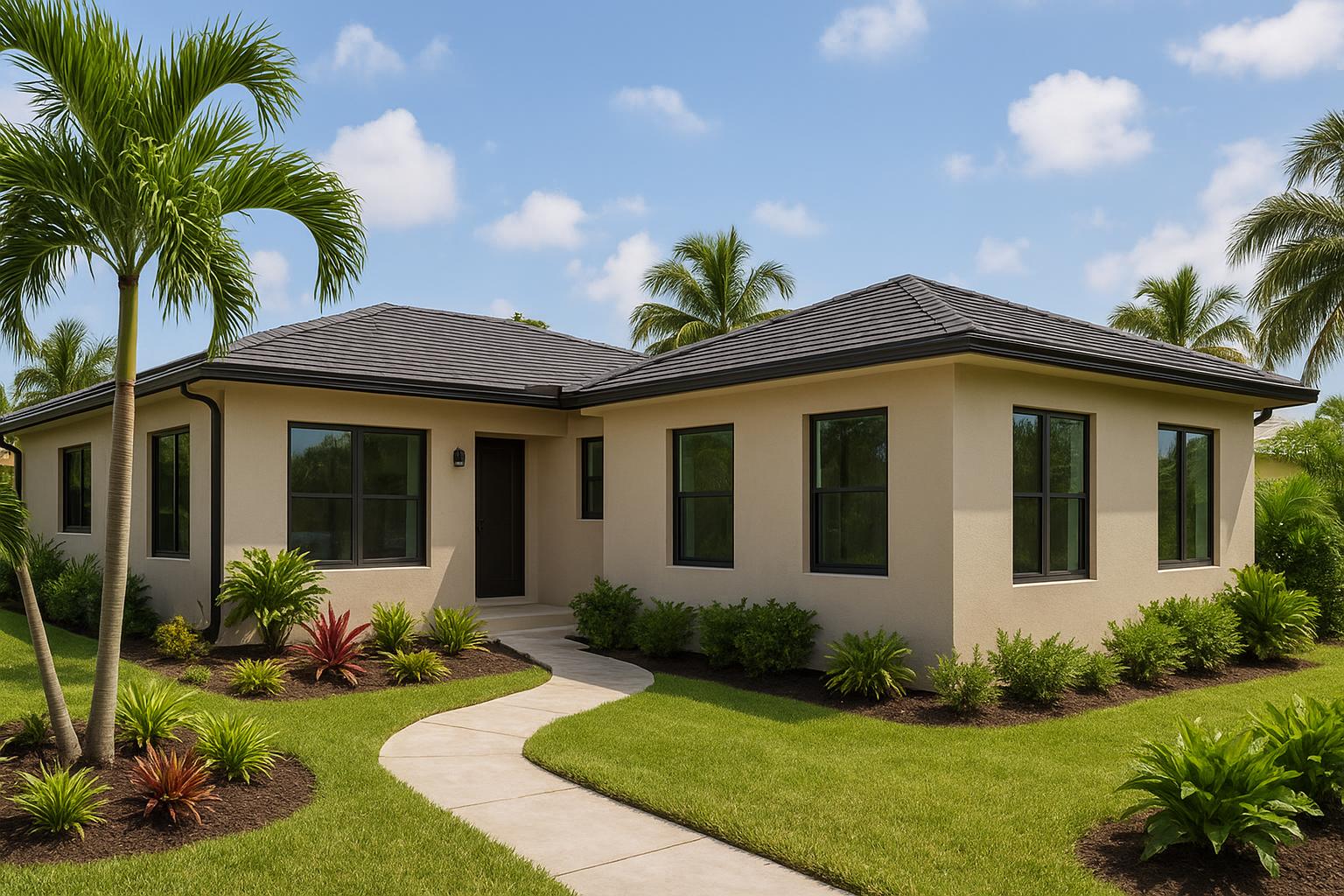
Why Miami Homeowners Are Adding Rooms Instead of Moving
Miami's real estate market has made it increasingly expensive to upgrade to a larger home. Between rising property values, competitive bidding, and the emotional cost of leaving a neighborhood you love, many homeowners in Miami, Coral Gables, and Coconut Grove are choosing a smarter path: adding a room to the home they already own.
A well-planned room addition gives you the extra square footage you need — whether it's a new bedroom, a home office, an in-law suite, or an expanded living area — without the hassle of relocating. But room additions are also one of the most complex remodeling projects you can take on. Without careful planning, costs can spiral, timelines can stretch, and the end result might not match your vision.
Here's how to plan a room addition in Miami the right way, so you avoid the most common surprises and end up with a space you truly love.
Step 1: Define the Purpose Before the Floor Plan
Before you start dreaming about layouts and finishes, get crystal clear on why you need the extra space. The purpose of the room will drive every decision that follows — from where it's positioned on your lot to how much it will cost.
- Growing family: An additional bedroom or playroom may need to be close to existing bedrooms for convenience.
- Remote work: A home office addition benefits from natural light, sound insulation, and a separate entrance if you meet clients.
- Aging parents: An in-law suite often requires its own bathroom, kitchenette, and ADA-friendly features.
- Entertainment: A larger living room or sunroom might prioritize open sight lines and outdoor access.
When you sit down with your contractor, having this clarity saves weeks of back-and-forth during the design phase.
Step 2: Understand Miami's Permitting and Zoning Requirements
This is where many DIY planners hit their first wall. Miami-Dade County has specific zoning regulations that dictate how much of your lot you can build on, how far structures must be set back from property lines, and what types of additions are allowed in your neighborhood.
Key things to research or ask your contractor about include:
- Setback requirements: How close can the new structure be to your lot boundaries?
- Floor area ratio (FAR): Is there a maximum percentage of your lot that can be covered by structures?
- Historic district rules: Neighborhoods like Coral Gables and parts of Coconut Grove have architectural review boards that must approve exterior changes.
- Flood zone considerations: Many Miami properties fall within FEMA flood zones, which can affect foundation requirements and insurance costs.
An experienced local contractor will handle the permitting process for you, but understanding these basics helps you set realistic expectations early on.
Step 3: Set a Realistic Budget (and Build in a Cushion)
Room additions in South Florida typically range from $200 to $400+ per square foot, depending on the complexity, finishes, and whether plumbing or electrical work is involved. A simple 200-square-foot bedroom addition will cost significantly less than a 400-square-foot in-law suite with a full bathroom and kitchenette.
When budgeting, account for these commonly overlooked costs:
- Permit fees and engineering reports — These can add several thousand dollars depending on the scope.
- Impact to existing systems — Your current HVAC, electrical panel, or plumbing may need upgrades to support the new space.
- Site preparation — Tree removal, grading, or dealing with underground utilities can add unexpected line items.
- Matching existing finishes — Making the addition look like it was always part of the home requires careful material matching, which sometimes costs more than choosing all-new finishes.
We always recommend building a 10-15% contingency into your budget. Not because problems are inevitable, but because having that cushion lets you make smart decisions instead of panicked ones if something unexpected comes up.
Step 4: Choose a Contractor Who Knows Miami Construction
Room additions aren't like cosmetic renovations. They involve foundation work, structural engineering, roofing integration, and compliance with Florida's strict building codes — including hurricane-resistance standards that don't apply in most other states.
When evaluating contractors, look for:
- Local experience: A contractor who has built additions in Miami, Doral, Hialeah, and Miami Beach understands the unique soil conditions, weather patterns, and code requirements of this area.
- Proper licensing and insurance: Florida requires general contractors to hold a state-issued license. Verify it through the Department of Business and Professional Regulation.
- Transparent pricing: A detailed, itemized estimate is a sign of a contractor who respects your budget. Vague bids often lead to costly change orders.
- References and portfolio: Ask to see completed room additions, not just kitchen or bathroom remodels. The skill sets are different.
Step 5: Plan for the Construction Timeline
A typical room addition in Miami takes anywhere from 8 to 16 weeks, depending on the size and complexity. However, the permitting process alone can take several weeks, so it's wise to start planning well before you need the space.
Factors that can affect your timeline include:
- Permit approval delays: Miami-Dade County permitting can be unpredictable. An experienced contractor knows how to submit clean applications that minimize back-and-forth.
- Weather: Miami's rainy season from June through October can slow down foundation and framing work.
- Material lead times: Custom windows, specialty roofing materials, and certain fixtures may have extended lead times, especially if they need to meet hurricane impact ratings.
A good contractor will give you a realistic timeline upfront and keep you updated throughout the project with regular communication.
Step 6: Think About Long-Term Value
A room addition is one of the best investments you can make in your Miami home — but only if it's done right. Poorly planned additions that look like afterthoughts can actually decrease your property value.
To maximize your return:
- Make sure the roofline integrates seamlessly with the existing structure.
- Match exterior materials, paint, and architectural details so the addition looks original.
- Ensure the interior flow makes sense — awkward hallways or oddly placed doors are red flags for future buyers.
- Add energy-efficient windows and insulation to keep utility costs low in Miami's heat.
Ready to Add Space to Your Miami Home?
At Monument Building Contractors, we've helped homeowners across Miami, Coral Gables, Coconut Grove, Doral, and beyond add beautiful, functional rooms to their homes. We handle everything from initial design and permitting to construction and final inspection — so you can enjoy the process without the stress.
If you're considering a room addition, reach out for a free consultation. We'll walk your property, discuss your goals, and give you an honest estimate with no surprises. Because your home deserves to grow with you.